Why Coccidioidomycosis Treatment Side Effects Continues to Amaze Us
TREATMENTS FOR COCCIDIOIDOMYCOSIS (Cocci)
Amphotericin B was the therapy of choice and the only medication for coccidioidomycosis treatment in the mid-20th century. The Food and Drug Administration approves amphotericin B and ketoconazole for the treatment of coccidioidomycosis , but they are not used in most cases because of their many side effects .
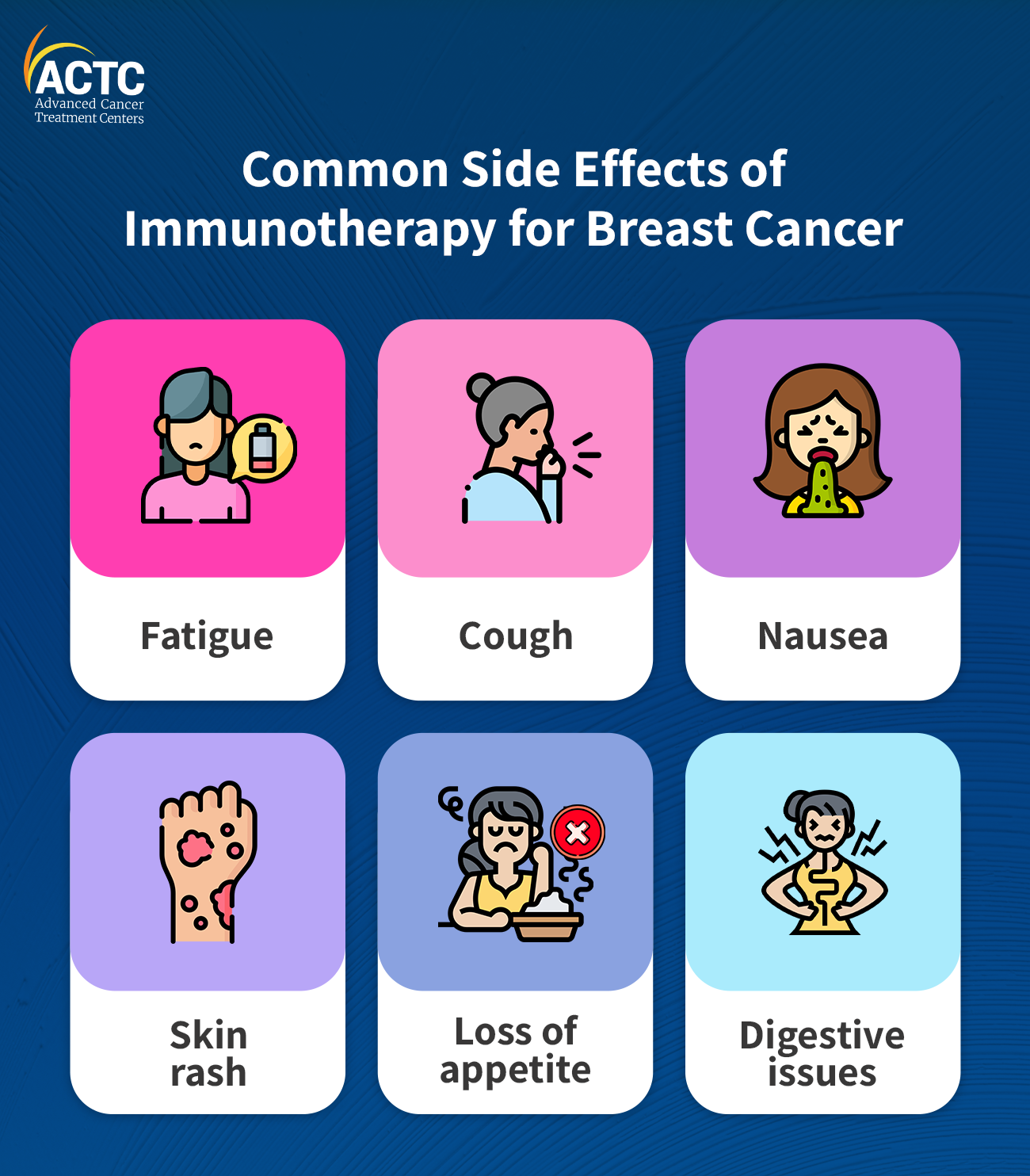
Coccidioidomycosis Treatment Side Effects
Moving forward, it's essential to keep these visual contexts in mind when discussing Coccidioidomycosis Treatment Side Effects.
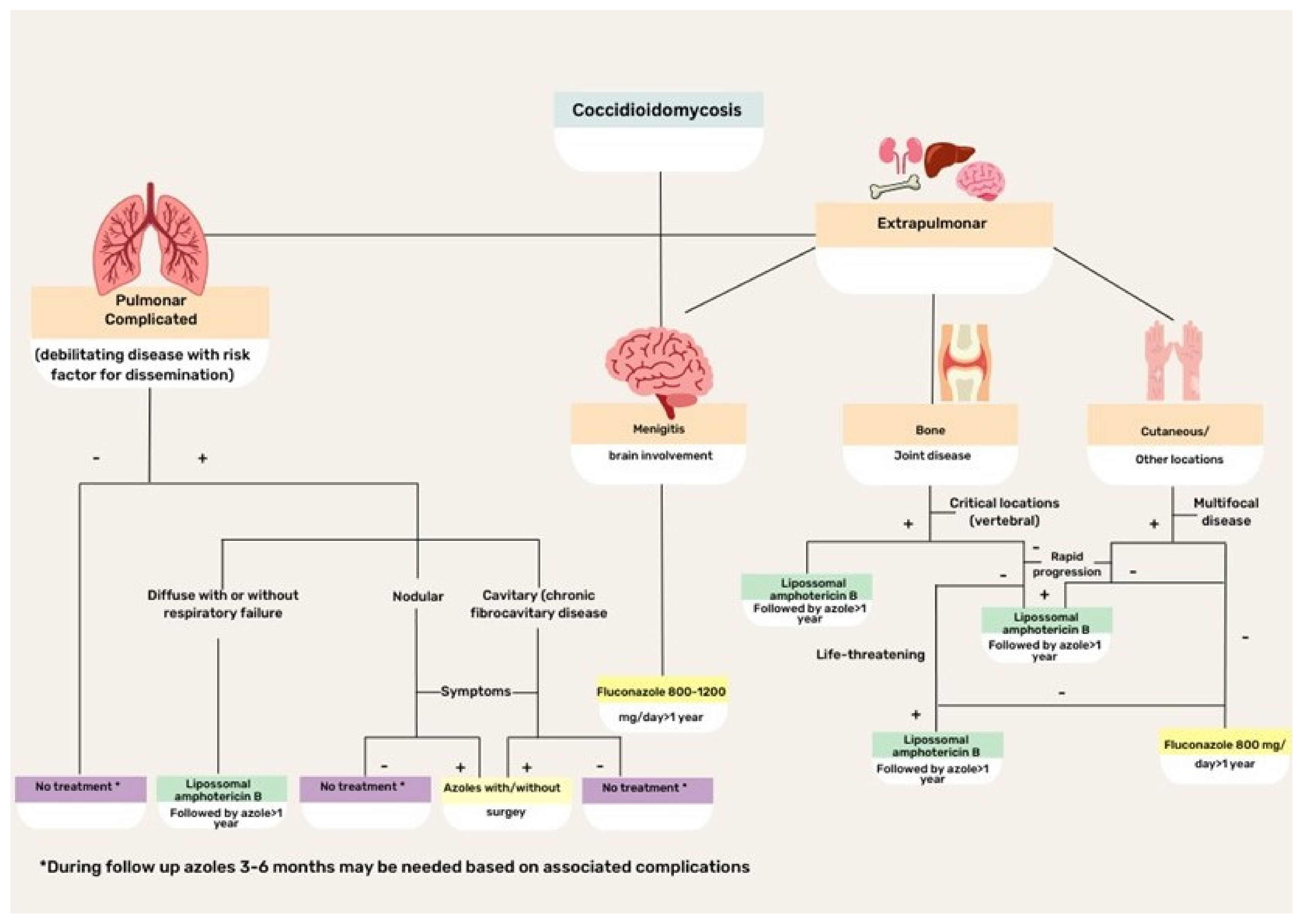
Insights into current coccidioidomycosis therapeutic pathways
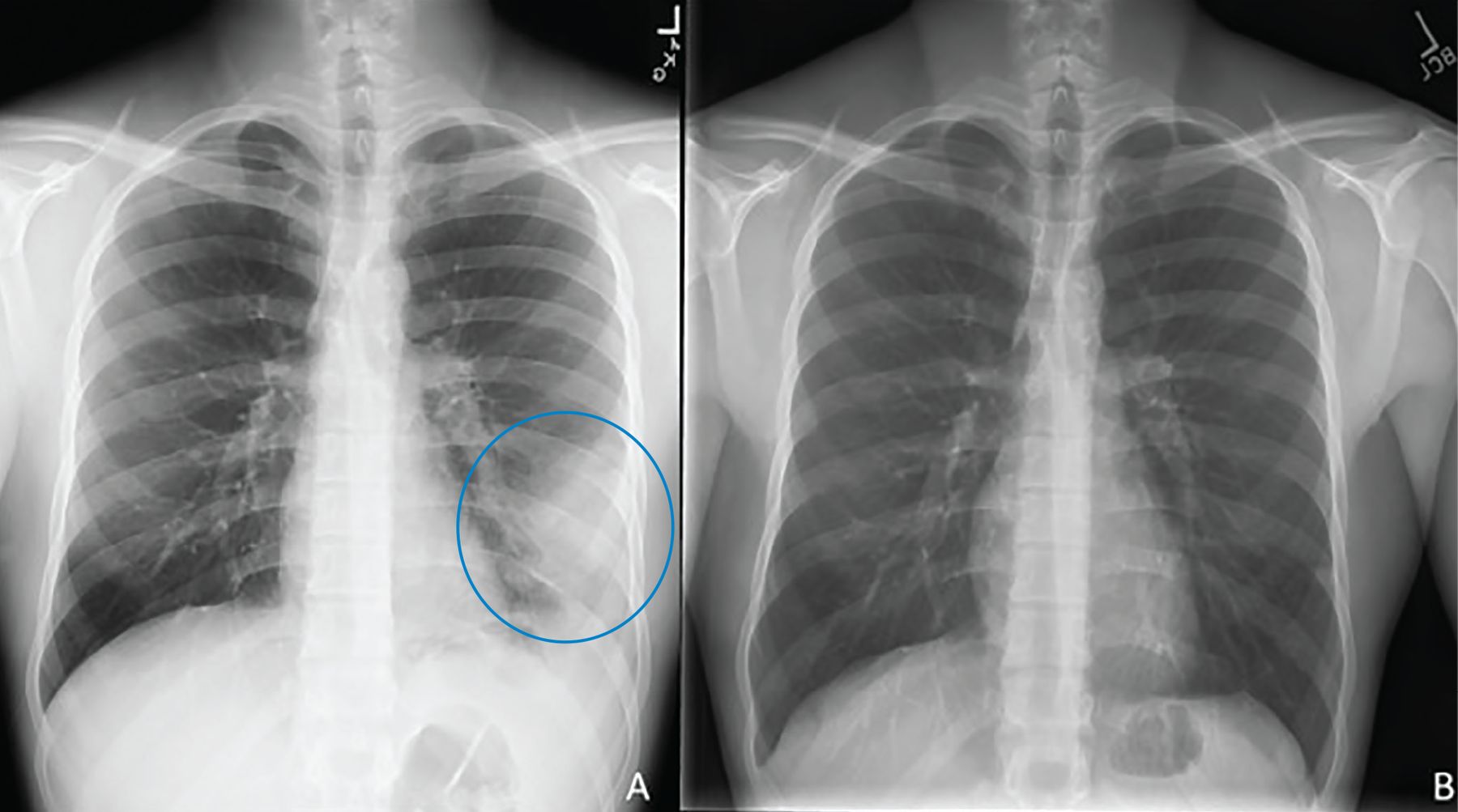
Coccidioidomycosis Treatment Side Effects
Furthermore, visual representations like the one above help us fully grasp the concept of Coccidioidomycosis Treatment Side Effects.
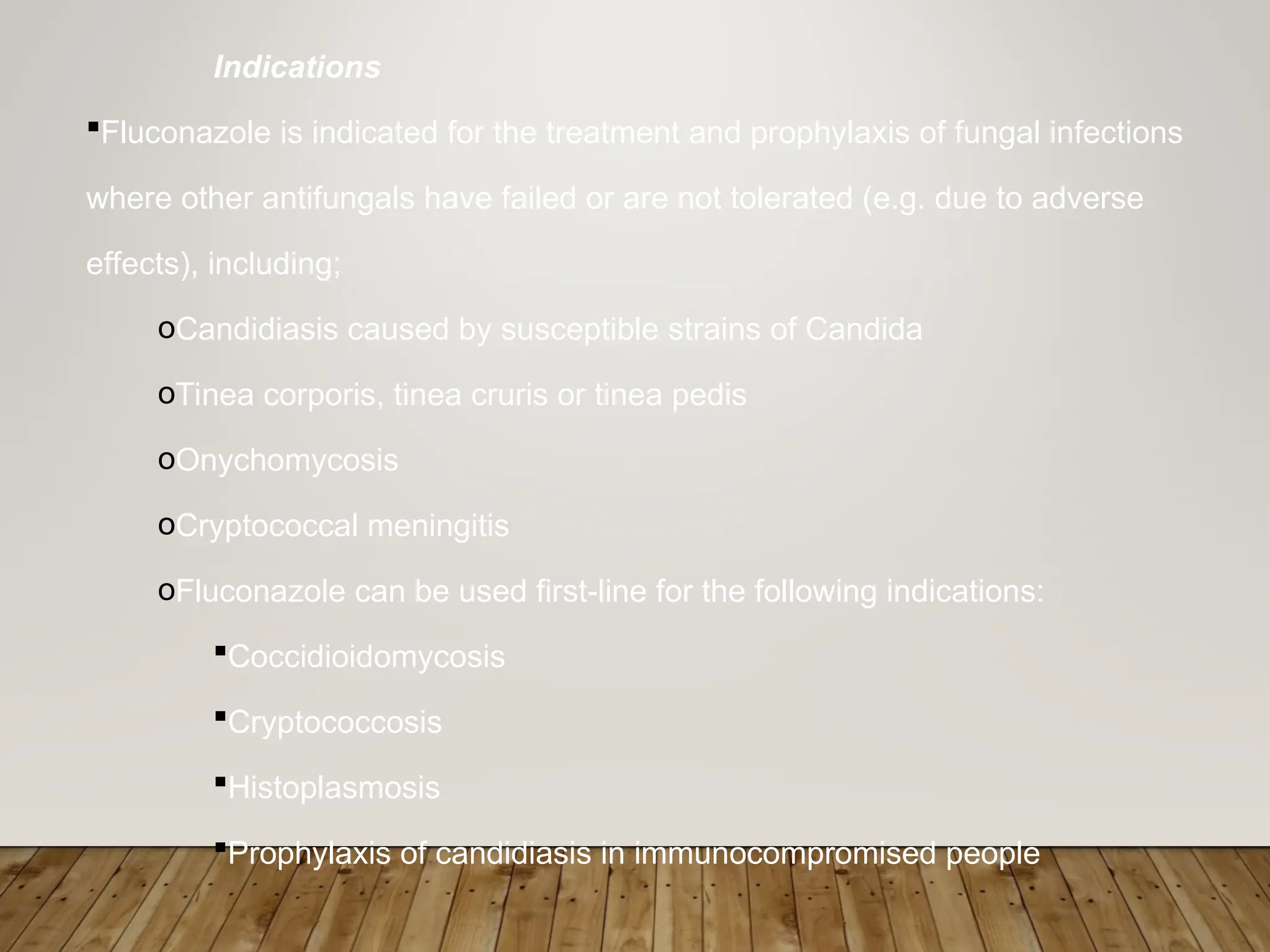
The frequent selection of fluconazole as the initial antifungal in coccidioidomycosis treatment may be due to many factors, including high efficacy, low rate of side effects , low cost, drug-drug interactions, high oral bioavailability, linear kinetics, and ease of administration.
The antifungal medicine fluconazole (Diflucan) most often treats all but the most-serious forms of coccidioidomycosis disease. Another treatment is itraconazole (Sporanox, Tolsura). Antifungal medicines can have serious side effects . Side effects tend to go away once you stop taking the medicine.