Snake Feeding Schedules and Portion Sizes
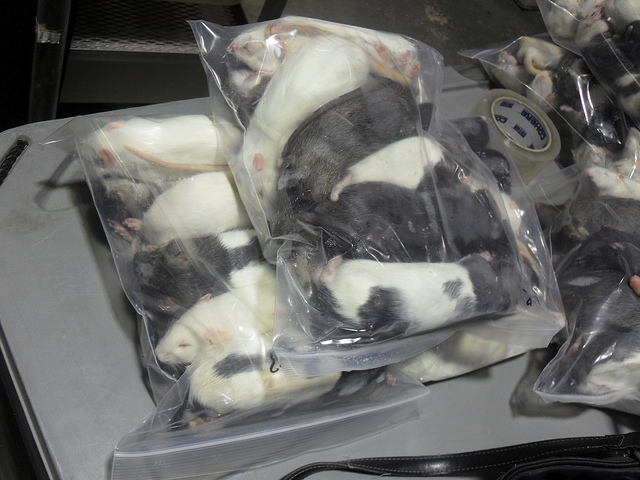
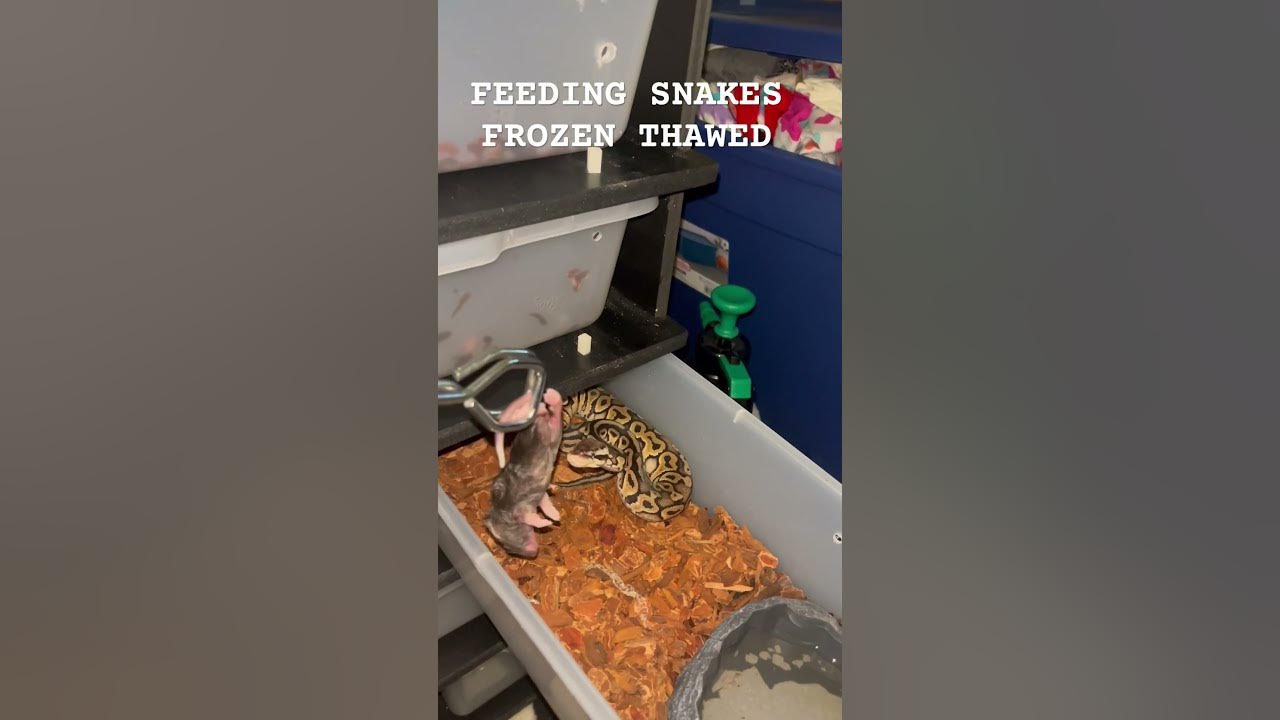
The safest staple for most commonly kept pet snakes is whole frozen-thawed prey that has been warmed appropriately before feeding . This lowers the risk of bite wounds from live rodents, which can cause severe injuries and infection. Use feeding tongs instead of your hands, and avoid handling your snake for about 3 days after a meal to reduce the chance of regurgitation.

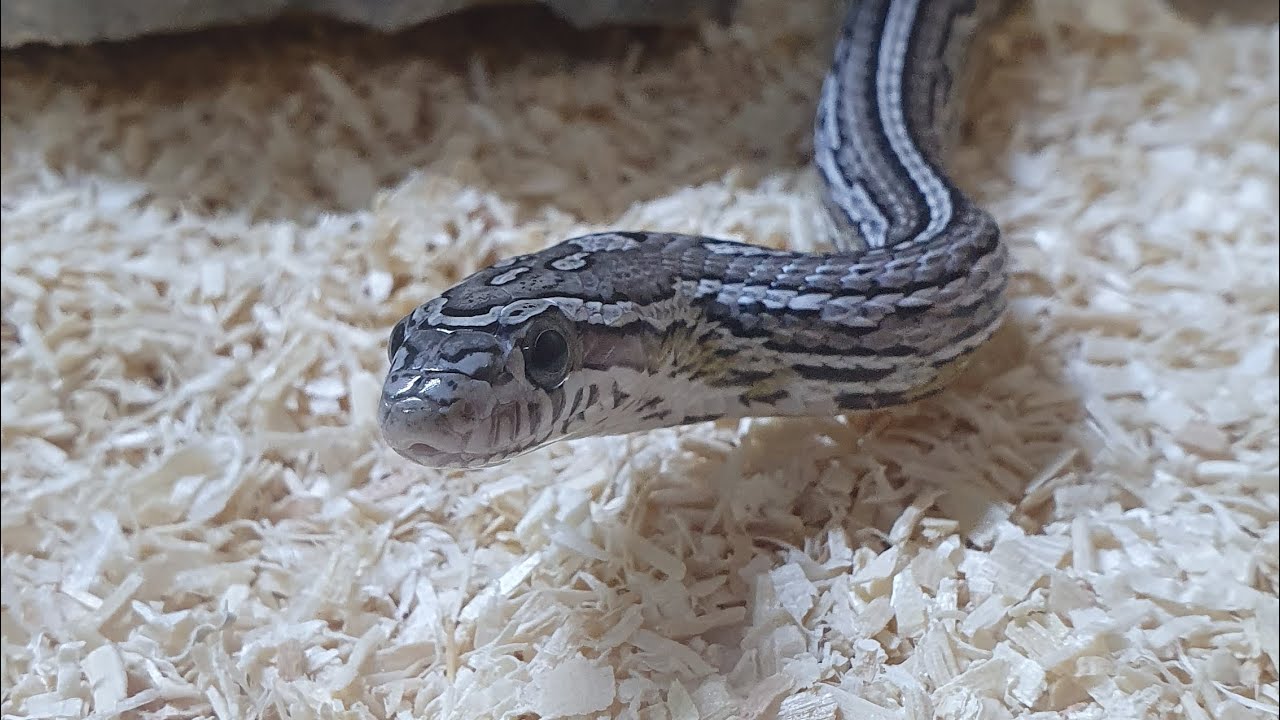
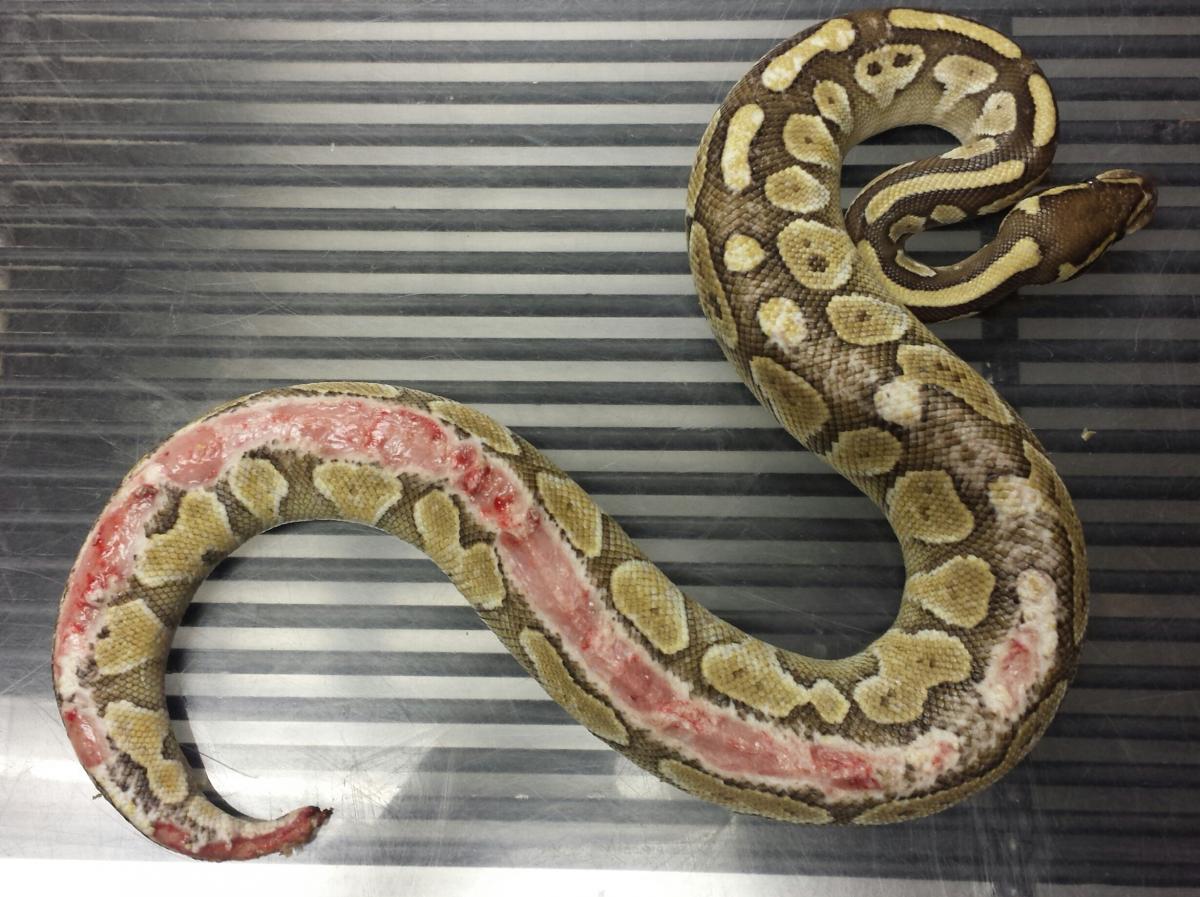
Furthermore, visual representations like the one above help us fully grasp the concept of Frozen Thawed Snake Babies Daily Feeding Schedule.
Mastering Snake Feeding Schedules by Age and Species
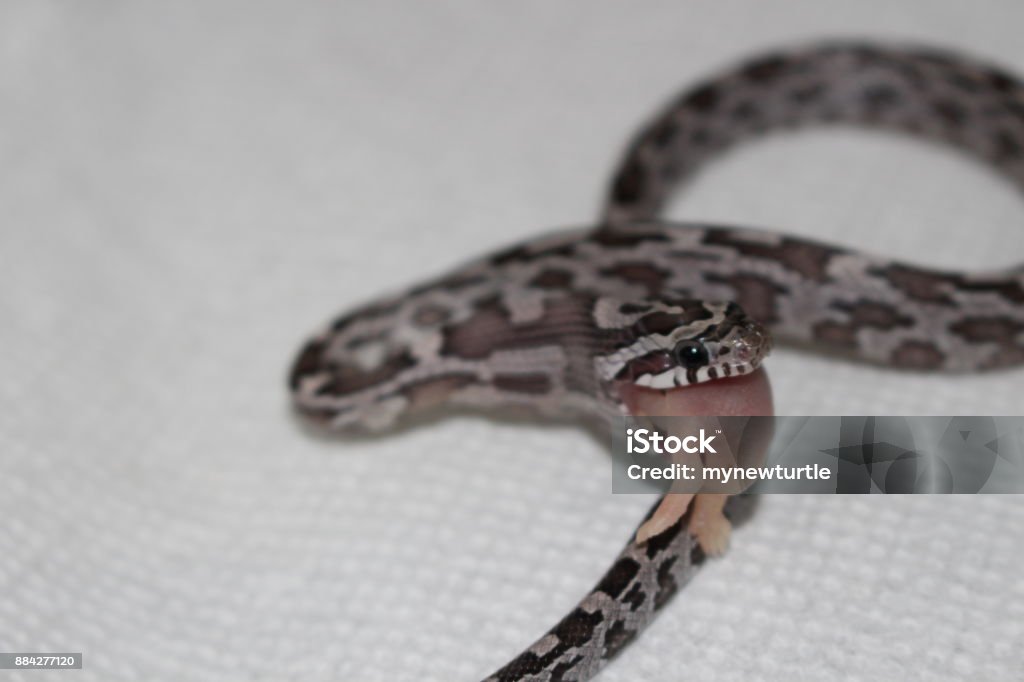
This particular example perfectly highlights why Frozen Thawed Snake Babies Daily Feeding Schedule is so captivating.
Can I feed frozen-thawed prey to snakes of all ages, or is there a specific age range for this method? How often should I weigh my juvenile snake ? What if I'm unsure about the correct feeding schedule for a specific snake species? Can I use a single, one-size-fits-all feeding schedule for all my snakes , regardless of age or species?

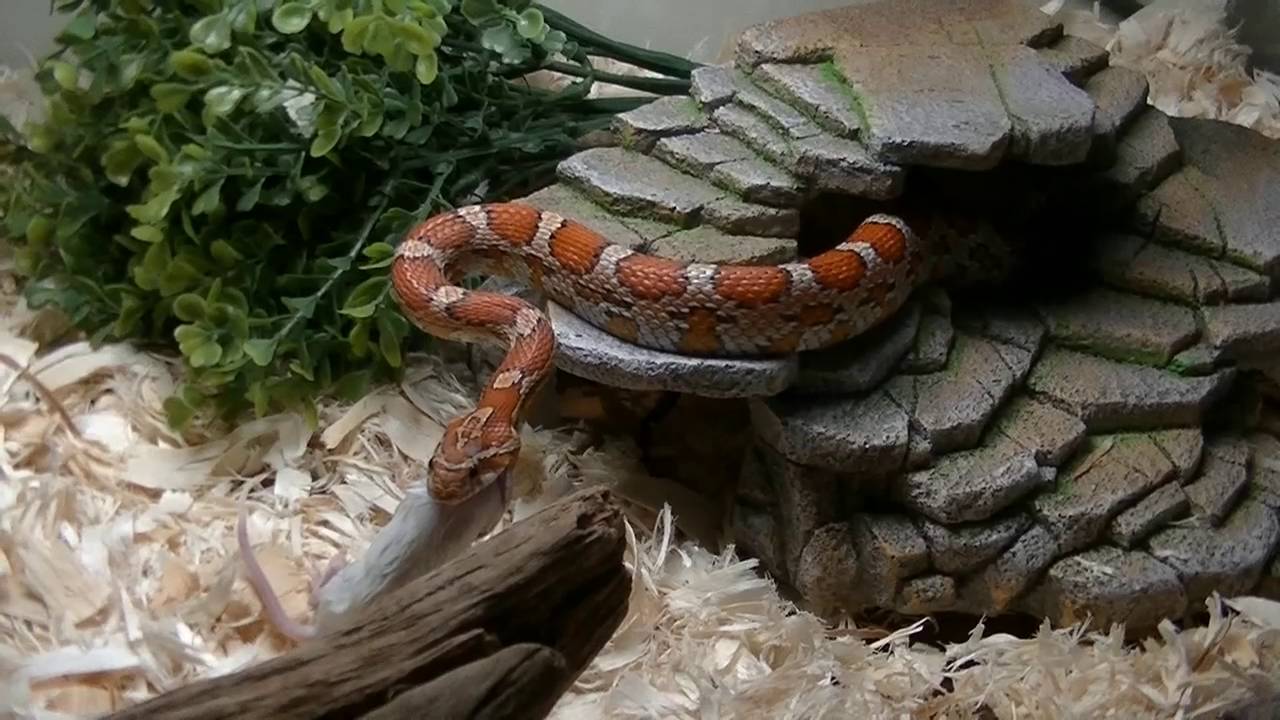
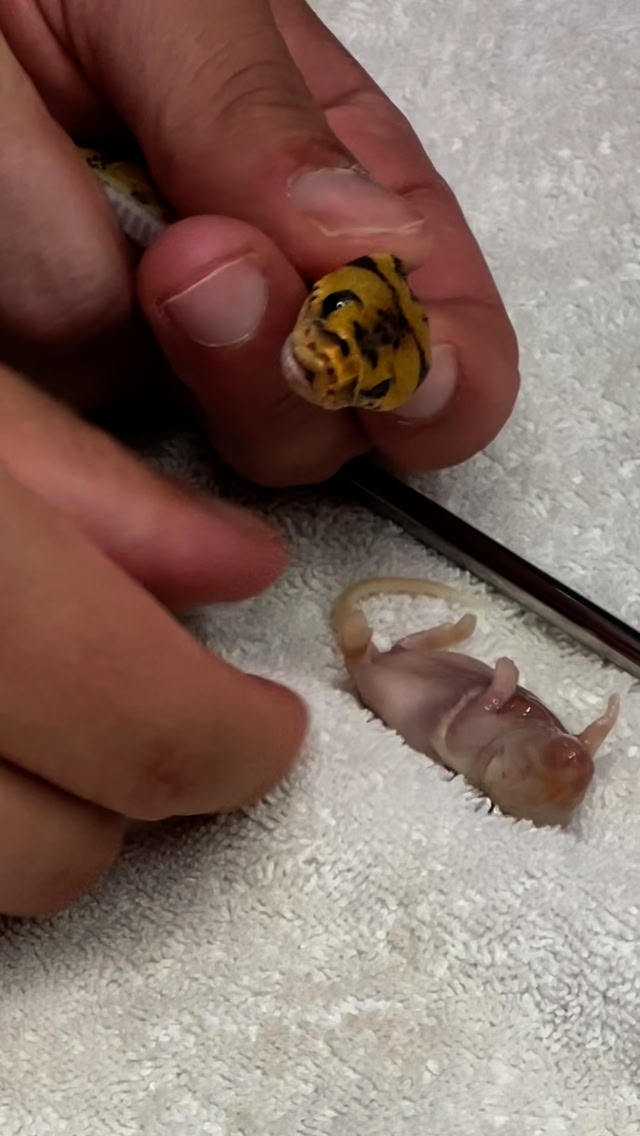
Furthermore, visual representations like the one above help us fully grasp the concept of Frozen Thawed Snake Babies Daily Feeding Schedule.
Feeding Frozen/Thawed Prey Items to Snakes in Captivity Under captive conditions, most snakes will thrive on a diet consisting of frozen/thawed rodents. For example, generations of captive breeding have made it where snakes that only eat birds in the wild will easily accept a frozen/thawed mouse in captivity.