Overview of Glucose Dependent Insulinotropic Polypeptide Physiology
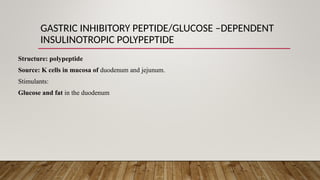
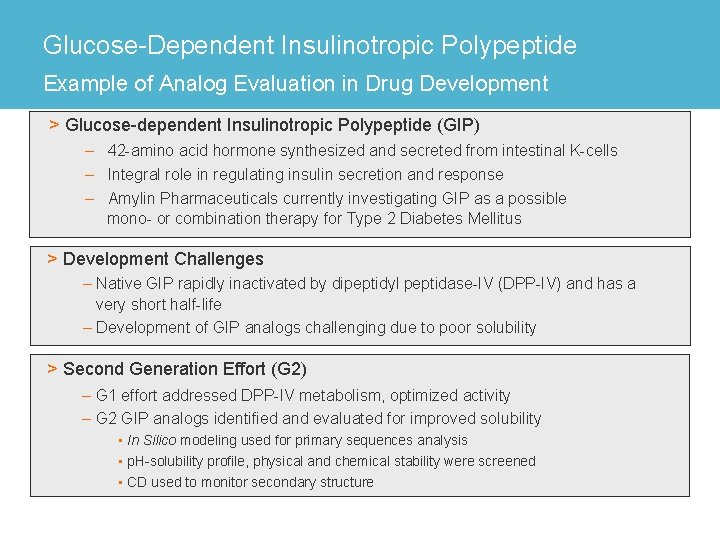
Abstract Glucose-dependent insulinotropic polypeptide (GIP) is a 42-amino acid hormone that is synthesized and released from upper intestinal enteroendocrine K cells in response to the ingestion of glucose or fat. The structure of GIP places it in the secretin/vasoactive intestinal polypeptide family of gastrointestinal regulatory peptides.
Glucose Dependent Insulinotropic Polypeptide Physiology Such details provide a deeper understanding and appreciation for Glucose Dependent Insulinotropic Polypeptide Physiology.
Key Details About Glucose Dependent Insulinotropic Polypeptide Physiology Glucose Dependent Insulinotropic Polypeptide Physiology Glucose-dependent insulinotropic polypeptide (GIP) is a 42-amino acid hormone that is synthesized and released from upper intestinal enteroendocrine K-cells in response to the ingestion of glucose ...
Glucose-dependent insulinotropic polypeptide (GIP) was the first incretin identified and plays an essential role in the maintenance of glucose tolerance in healthy humans. Until recently GIP had not been developed as a therapeutic and thus has been ...
Glucose-Dependent Insulinotropic Polypeptide Receptor ( GIPR ...
Glucose-dependent Insulinotropic Polypeptide (GIP) - Phoenix ...
(PDF) Imaging of the Glucose-Dependent Insulinotropic Polypeptide ...
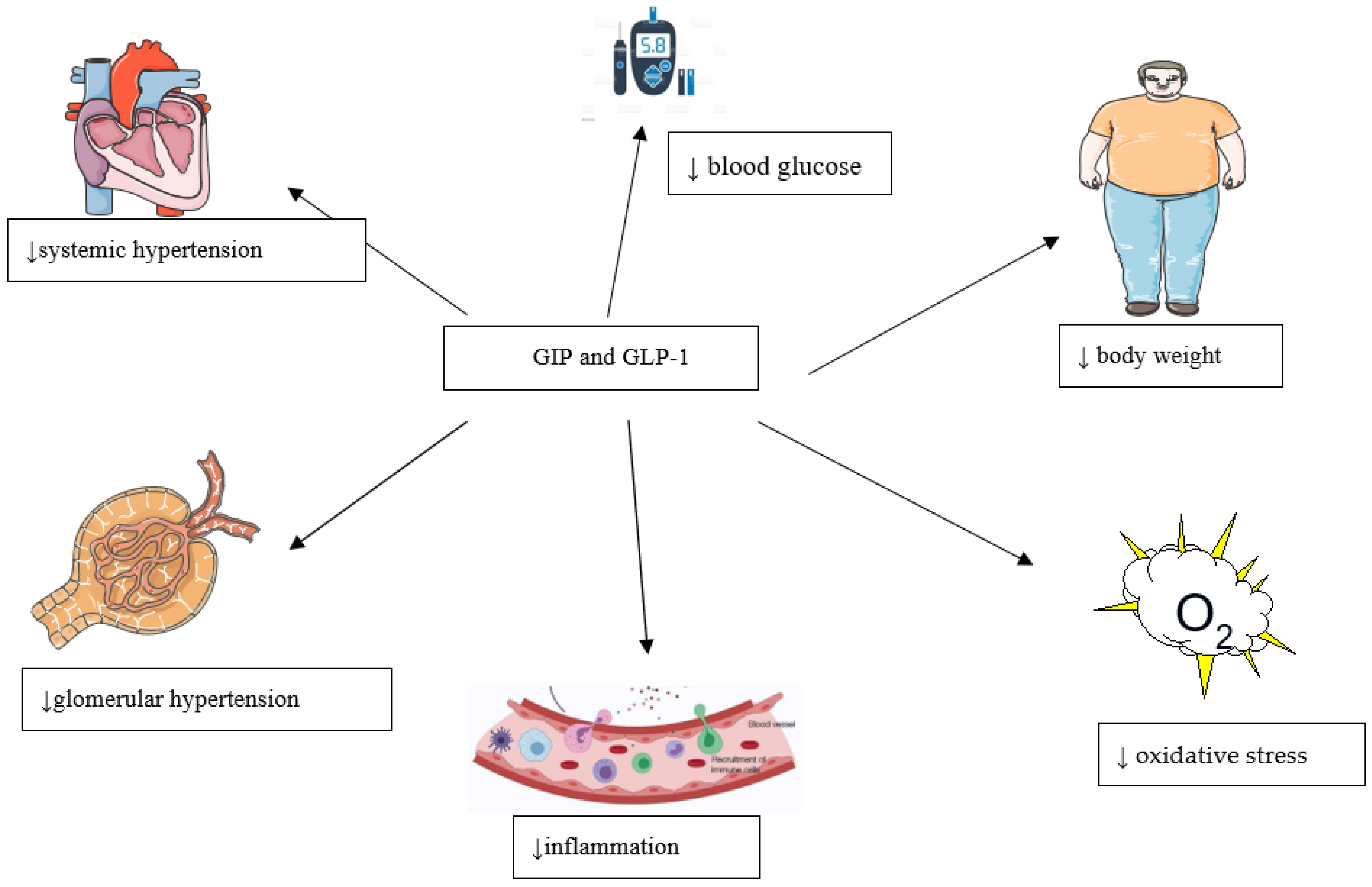
Schematic Depiction of the Pleiotropic Benefits of Dual... | Download ...
Glucagon-like peptide-1 and glucose-dependent insulinotropic ...
Mechanisms of action of incretin receptor based dual- and tri-agonists ...
Role of a Dual Glucose-Dependent Insulinotropic Peptide (GIP)/Glucagon ...
Glucagon-like peptide-1 and glucose-dependent insulinotropic ...
Sugar type and route of delivery influence insulin and glucose ...
Nephroprotective Properties of the Glucose-Dependent Insulinotropic ...
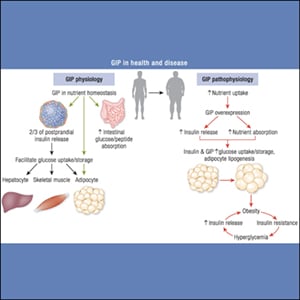
Schematic representation illustrating potential mechanisms by which GIP ...
Glucose-dependent insulinotropic polypeptide induces cytokine ...
Sugar type and route of delivery influence insulin and glucose ...
GIT physiology - Gastrointestinal hormones. .ppt
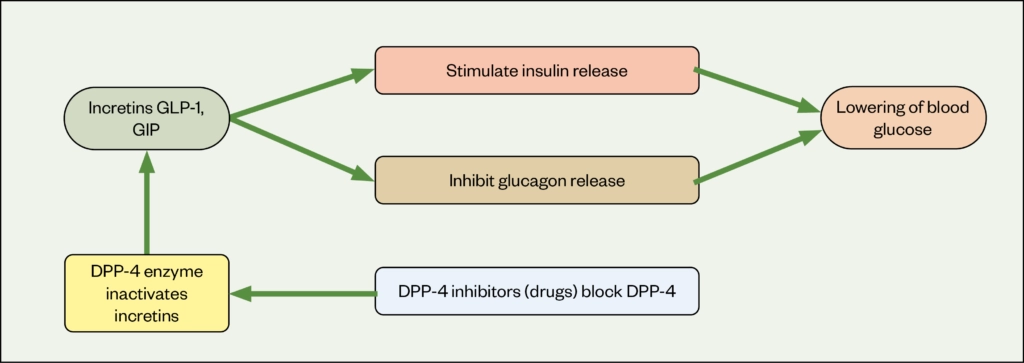
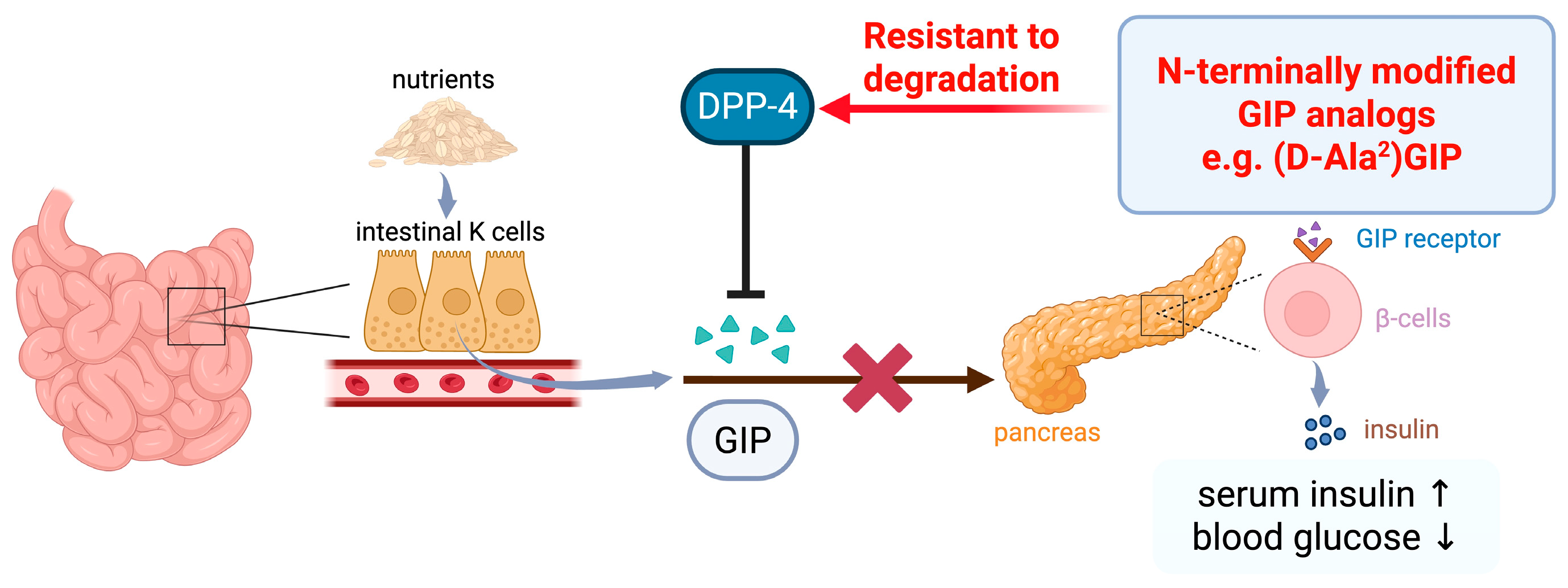
Historical, present and potential future PCOS therapies. DPP-4 ...
(PDF) Glucose dependent insulinotropic polypeptide and dipeptidyl ...
(PDF) Role of a Dual Glucose-Dependent Insulinotropic Peptide (GIP ...
Glucose-dependent insulinotropic polypeptide receptor null mice exhibit ...
Performance of the glucagon‐like peptide‐1 (GLP‐1) and... | Download ...
Role of a Dual Glucose-Dependent Insulinotropic Peptide (GIP)/Glucagon ...
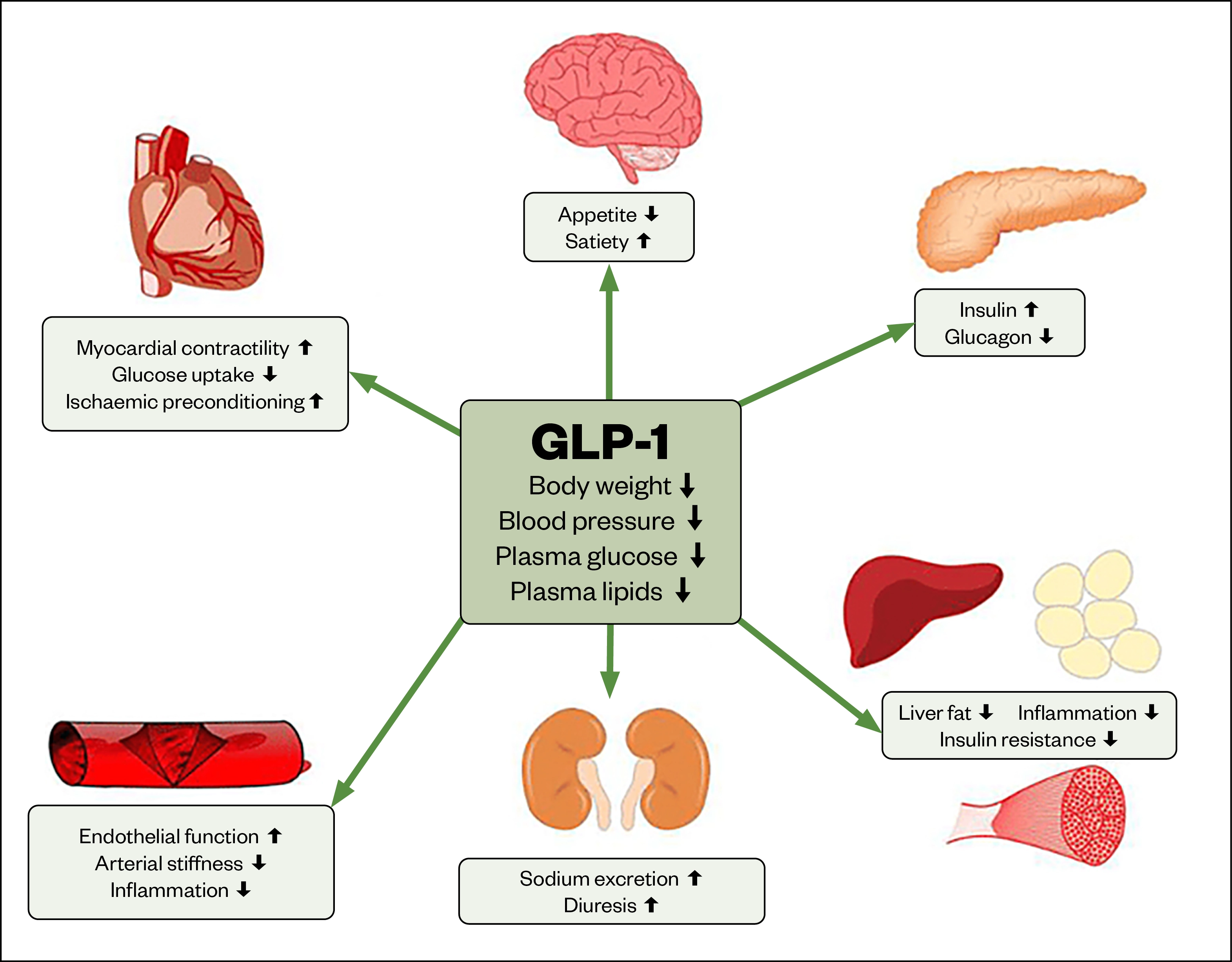
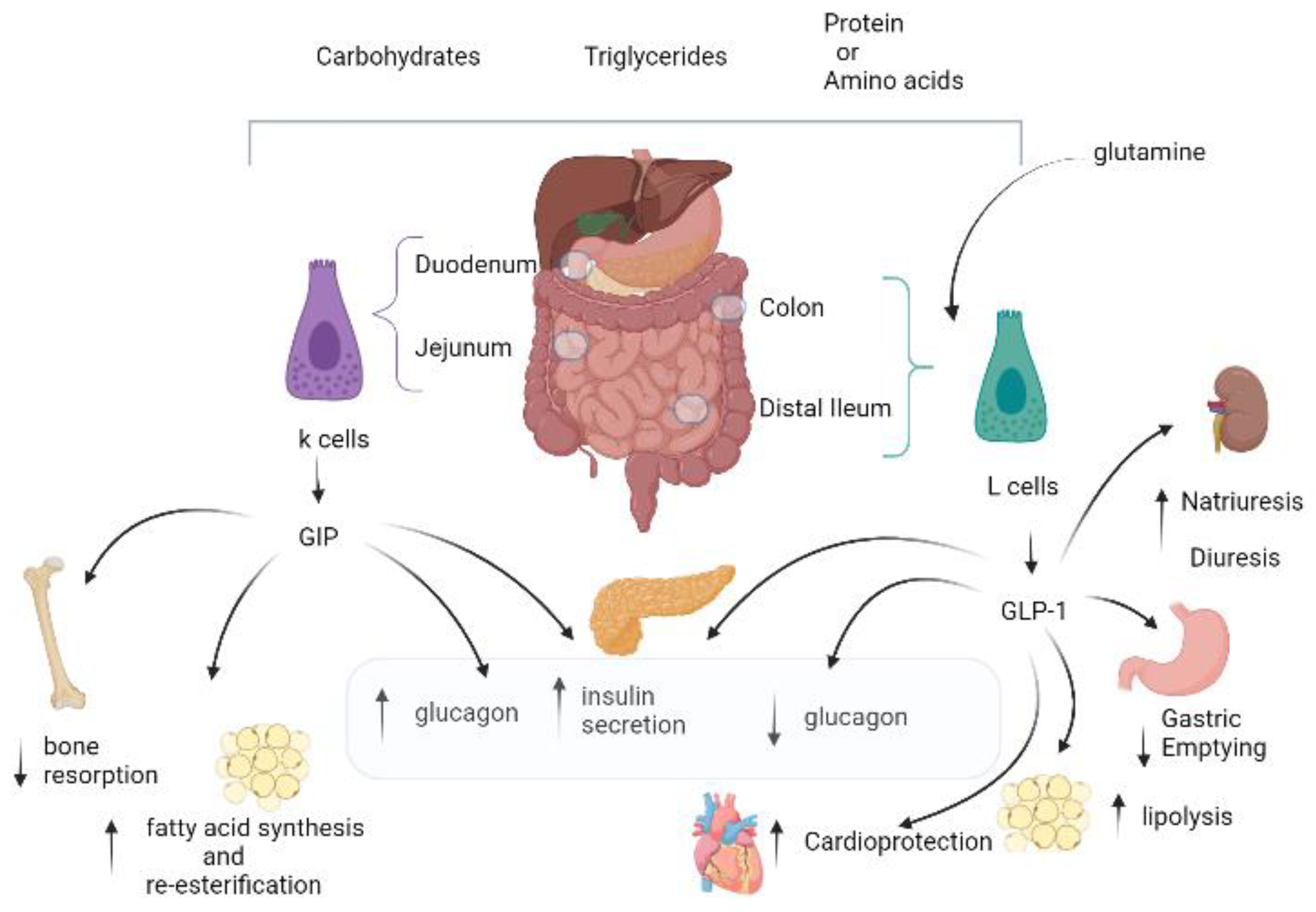
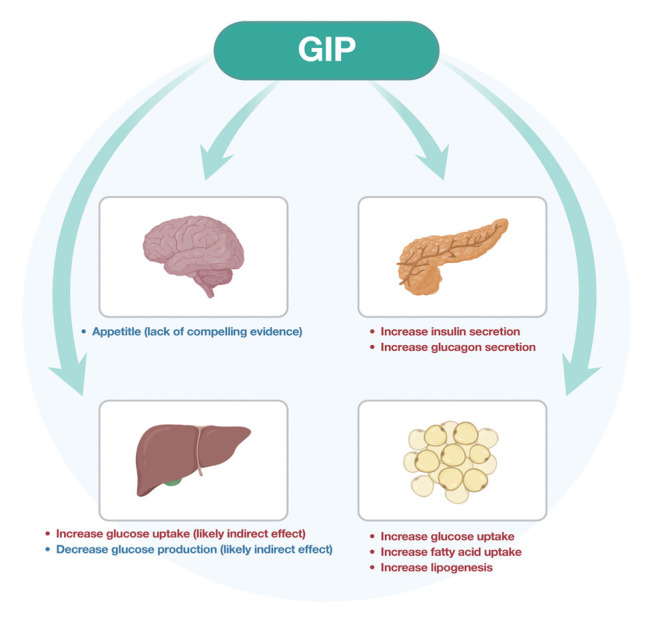
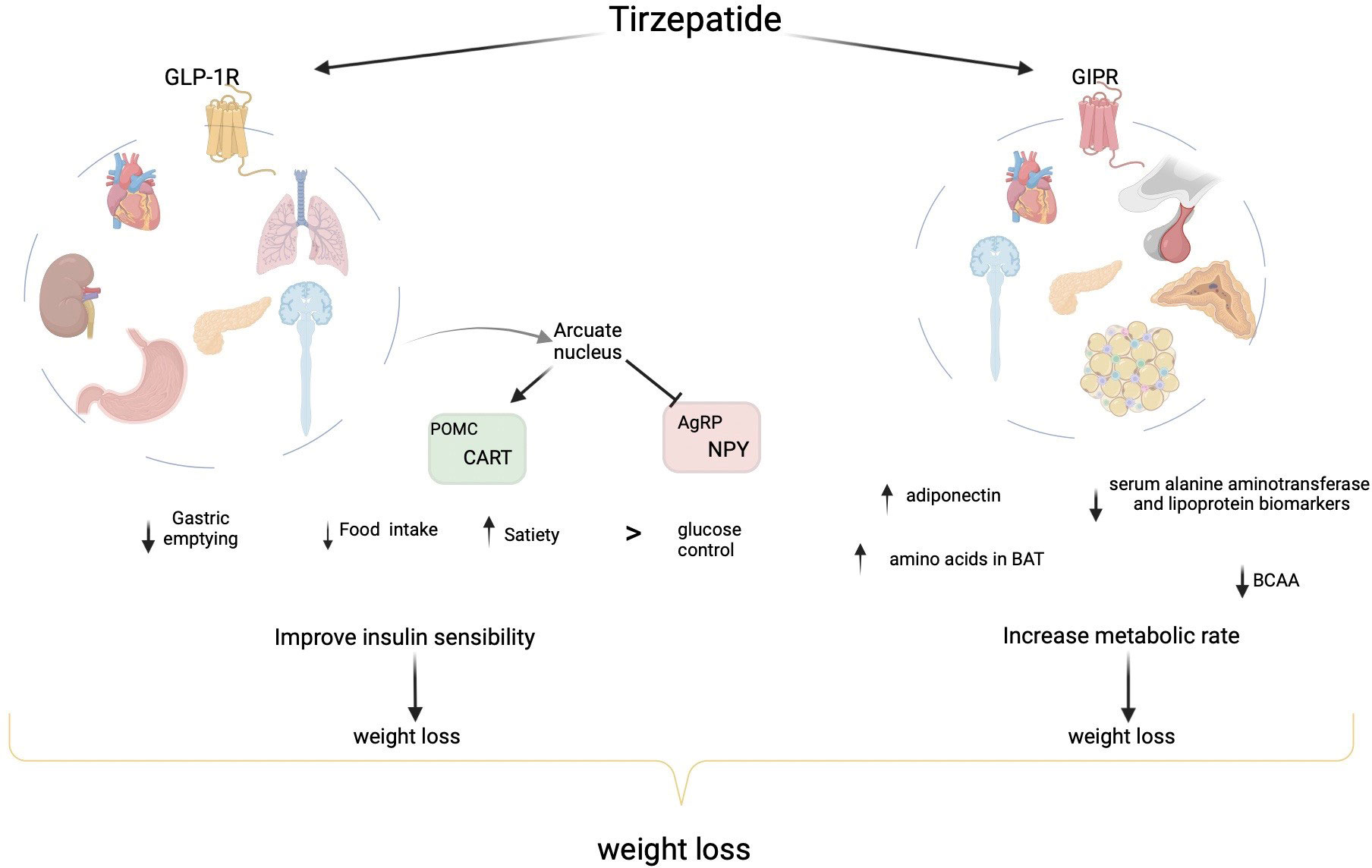
Major physiological roles of GLP-1 and GIP. Tirzepatide is acting as an ...
Improving Physicochemical Properties of Biopharmaceutical Drug ...
Role of a Dual Glucose-Dependent Insulinotropic Peptide (GIP)/Glucagon ...
GIP (Human) - Blog
(PDF) Glucose-Dependent Insulinotropic Polypeptide Receptor-Expressing ...
Glucagon-like peptide 1 and glucose-dependent insulinotropic ...
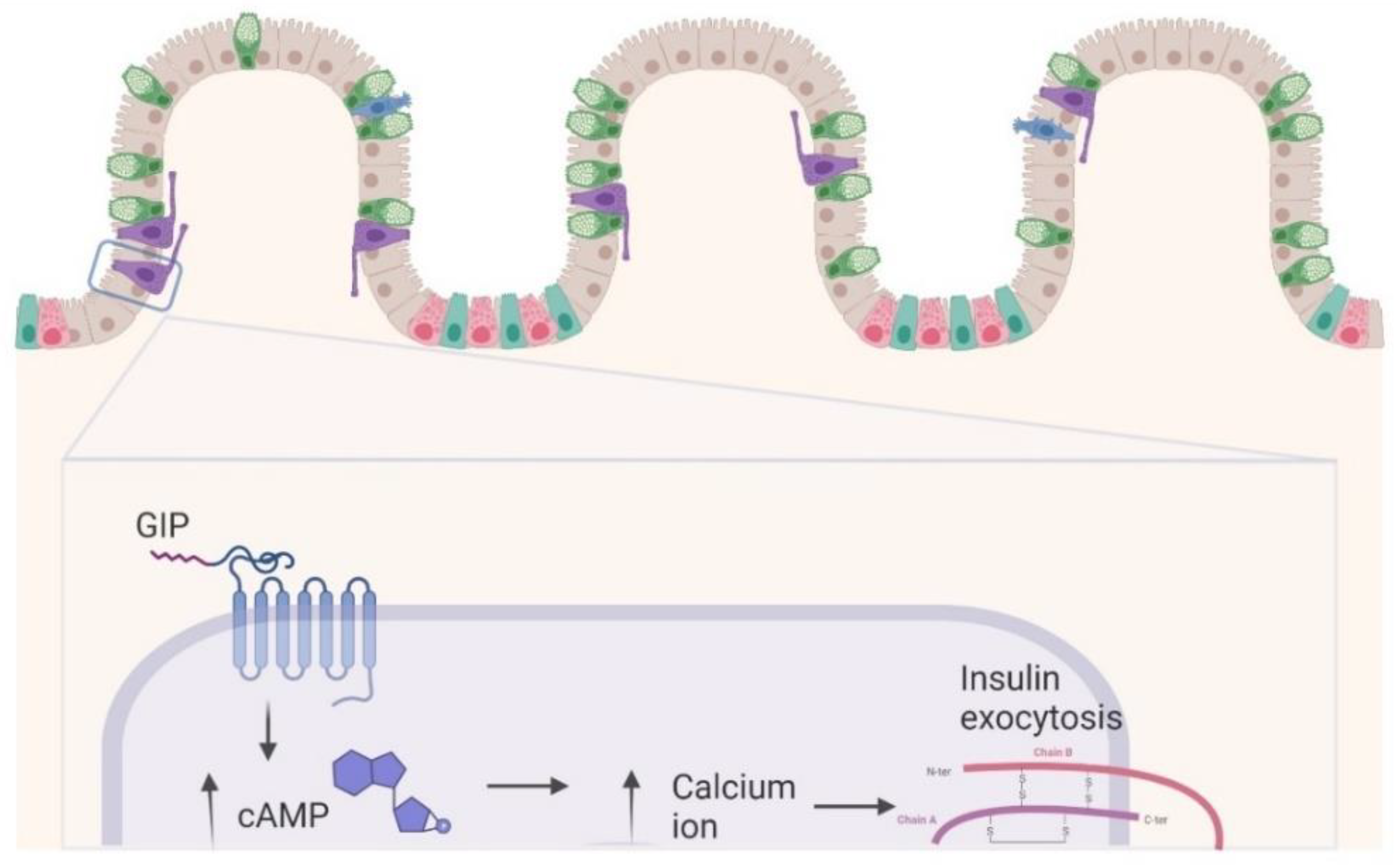
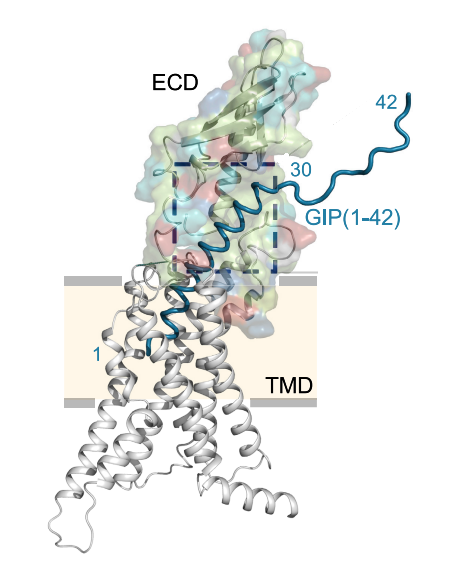
Actions of glucose-dependent insulinotropic polypeptide (GIP) at its ...
Glucose-Dependent Insulinotropic Polypeptide in Incretin Physiology ...
Sugar type and route of delivery influence insulin and glucose ...
Schematic overview of potential mechanisms underlying the... | Download ...
Secretion and metabolism of glucose-dependent insulinotropic peptide ...
Glucose-dependent insulinotropic peptide (gastric inhibitory ...
Potential nephroprotective effects of glucose-dependent insulinotropic ...
(PDF) Glucose-dependent Insulinotropic Polypeptide and Glucagon-like ...
Class B1 GPCRs: insights into multireceptor pharmacology for the ...
Figure 2 from Glucagon-like Peptide 1, Glucose-Dependent Insulinotropic ...
The Incretins and β-Cell Health: Contrasting Glucose-Dependent ...
Sugar type and route of delivery influence insulin and glucose ...
The Road towards Triple Agonists: Glucagon-Like Peptide 1, Glucose ...
The Role of Glucose-Dependent Insulinotropic Polypeptide (GIP) in Bone ...
(PDF) Glucose-dependent insulinotropic polypeptide stimulates post ...
Frontiers | Effect of dual glucose-dependent insulinotropic peptide ...
Characteristics of glucose-dependent insulinotropic polypeptide (GIP ...
Mechanism of glucose‐dependent insulinotropic polypeptide (GIP ...
Mechanisms of action of incretin receptor based dual- and tri-agonists ...
(PDF) Glucose‐dependent insulinotropic polypeptide and glucagon‐like ...
(PDF) The dual glucose-dependent insulinotropic polypeptide (GIP) and ...
Illustration of pathophysiology of type 2 diabetes showing enhanced ...
Glucose-dependent insulinotropic polypeptide promotes lipid deposition ...
Total Glucose-dependent Insulinotropic Peptide (GIP) ELISA, 27203 (RUO ...