All About Hyperthyroid Leukemia In Cats: Photos and Explanations
Hyperthyroidism in Cats
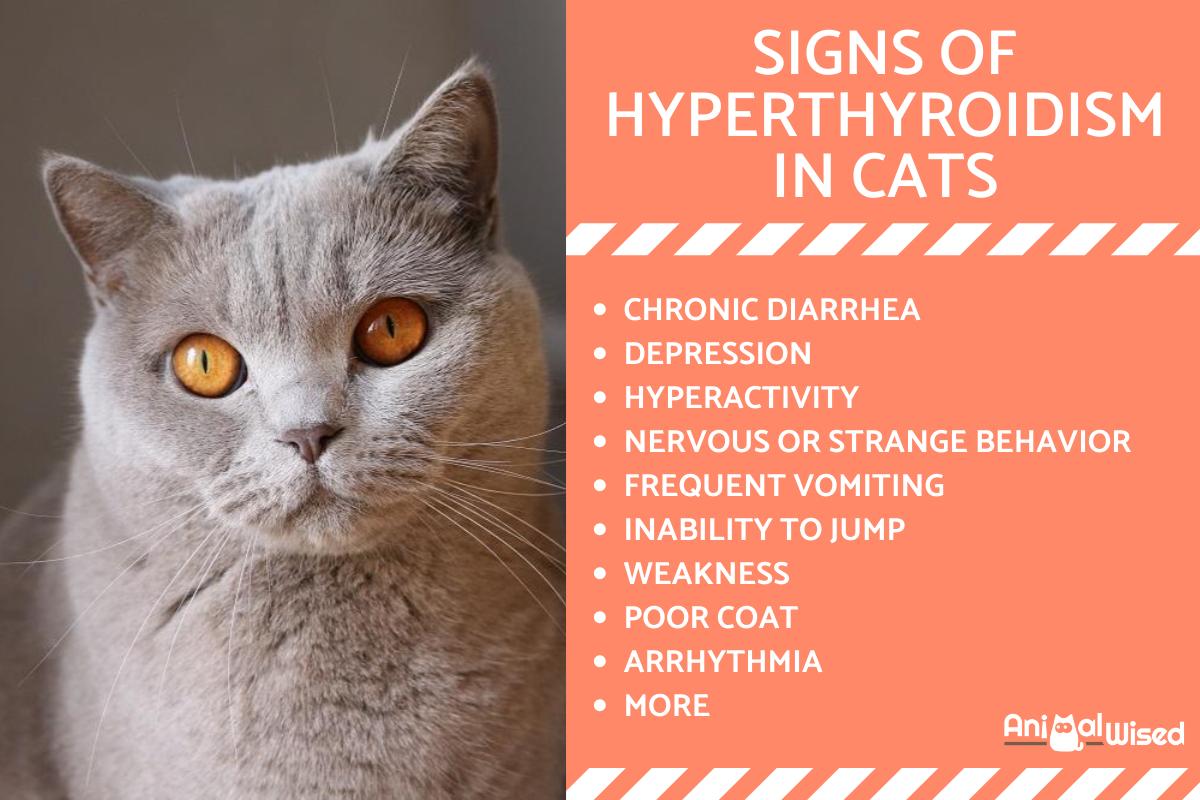
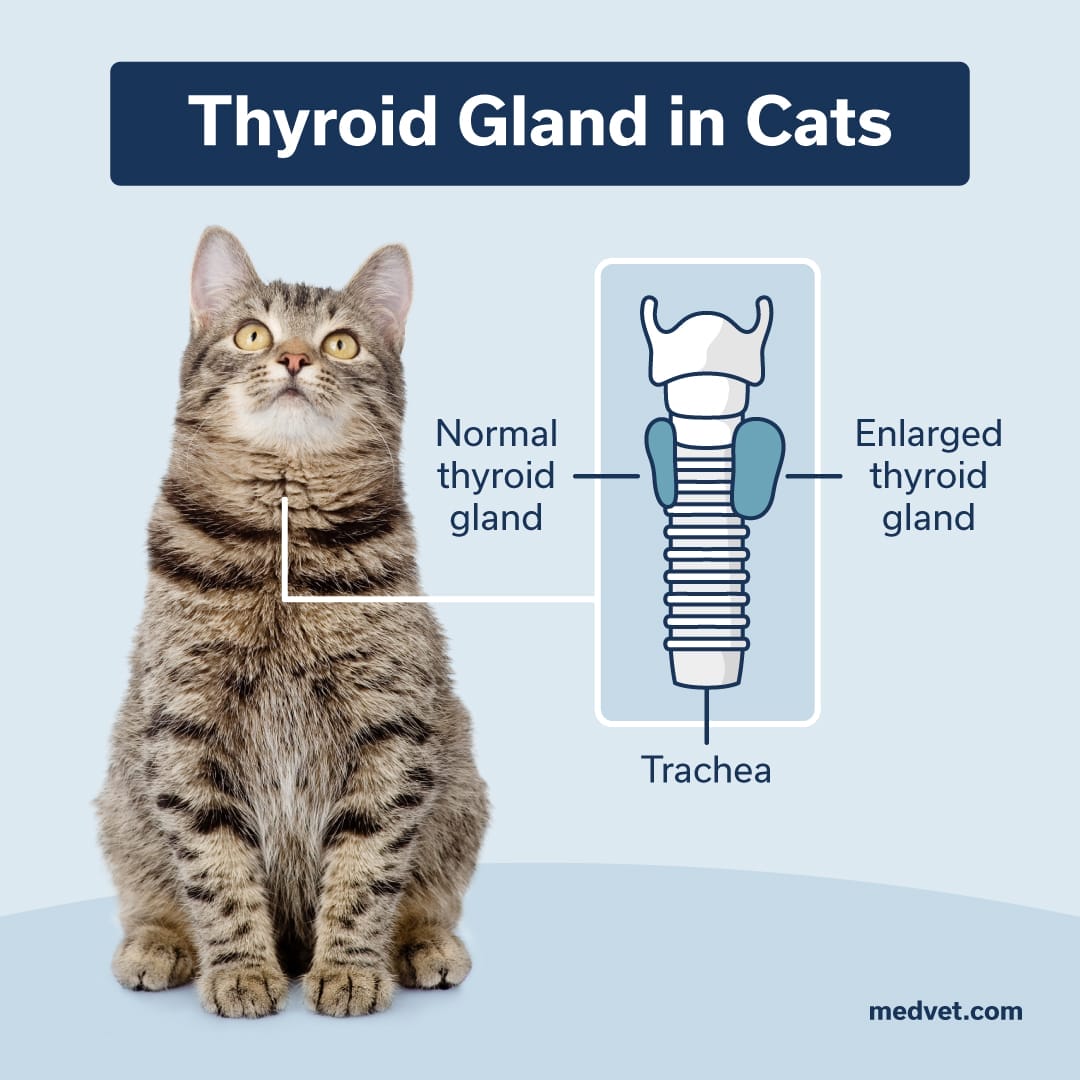
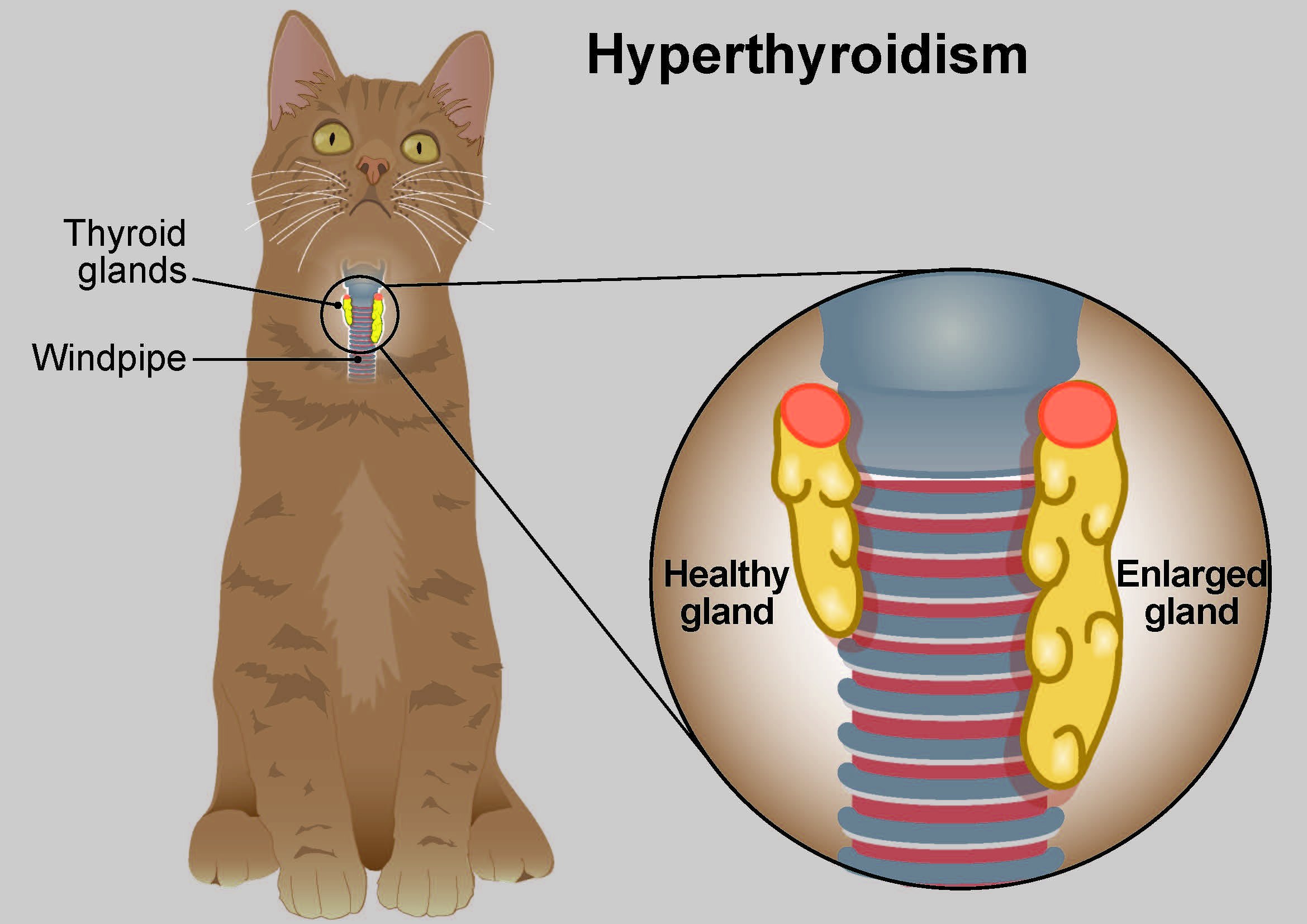
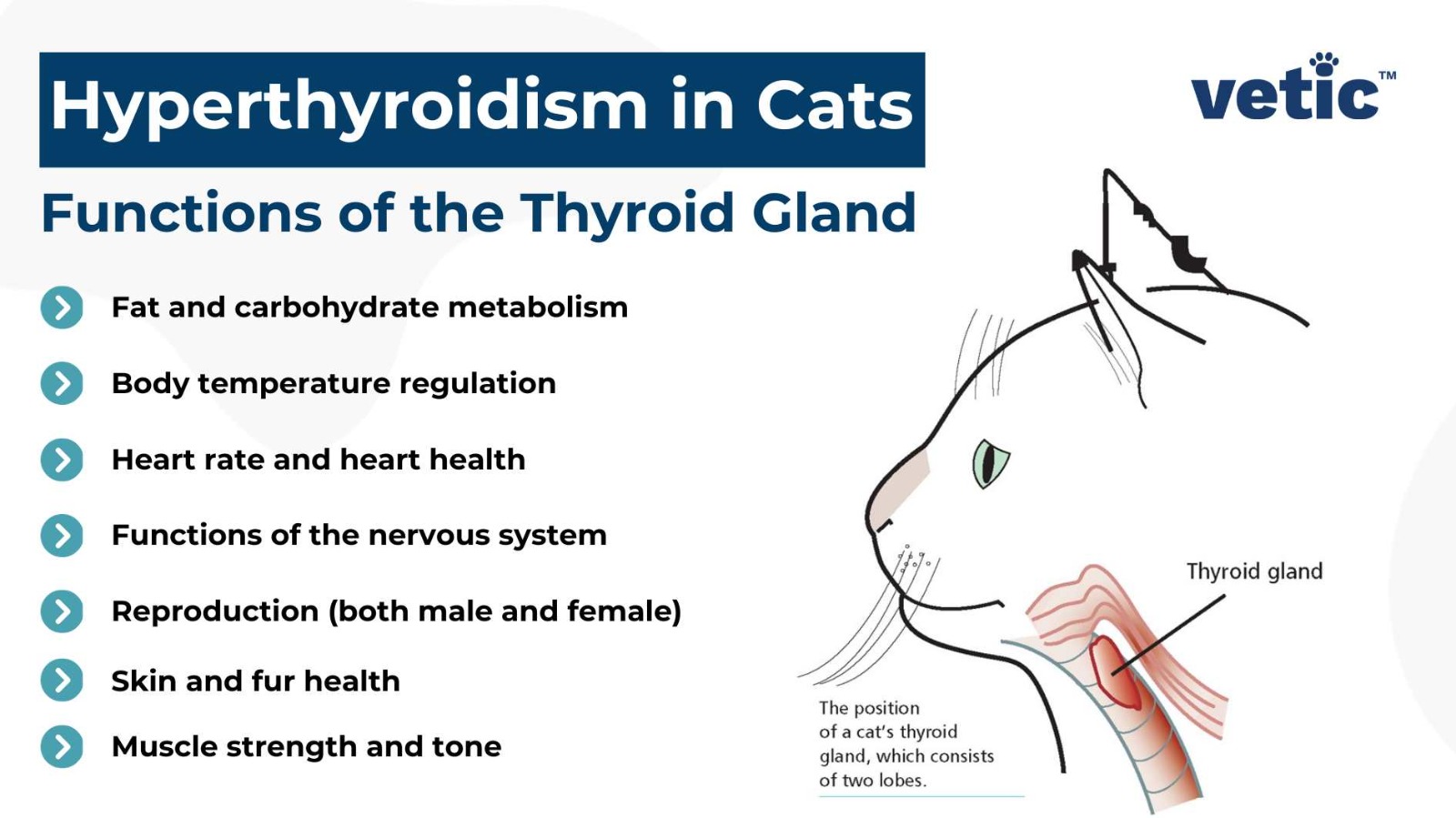
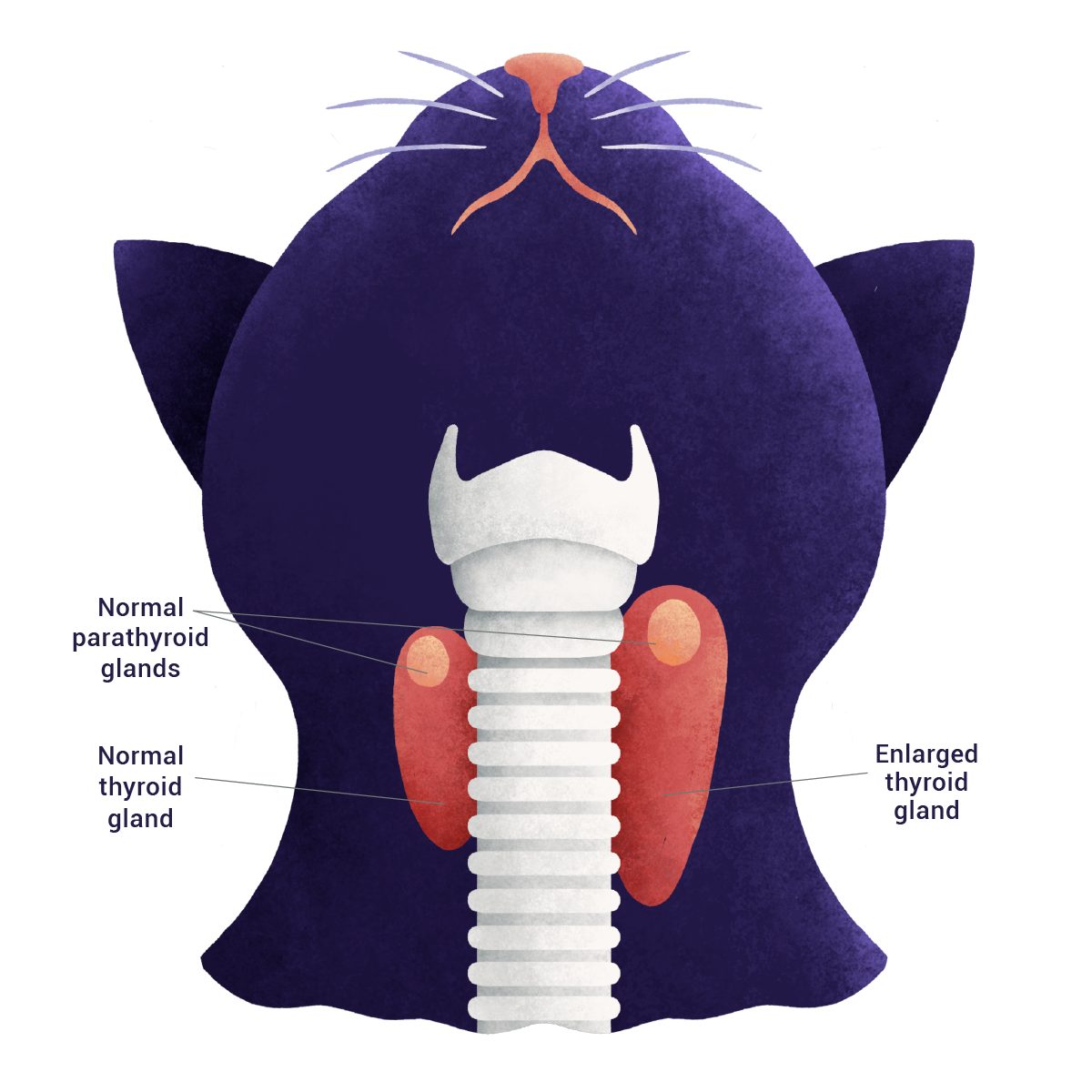
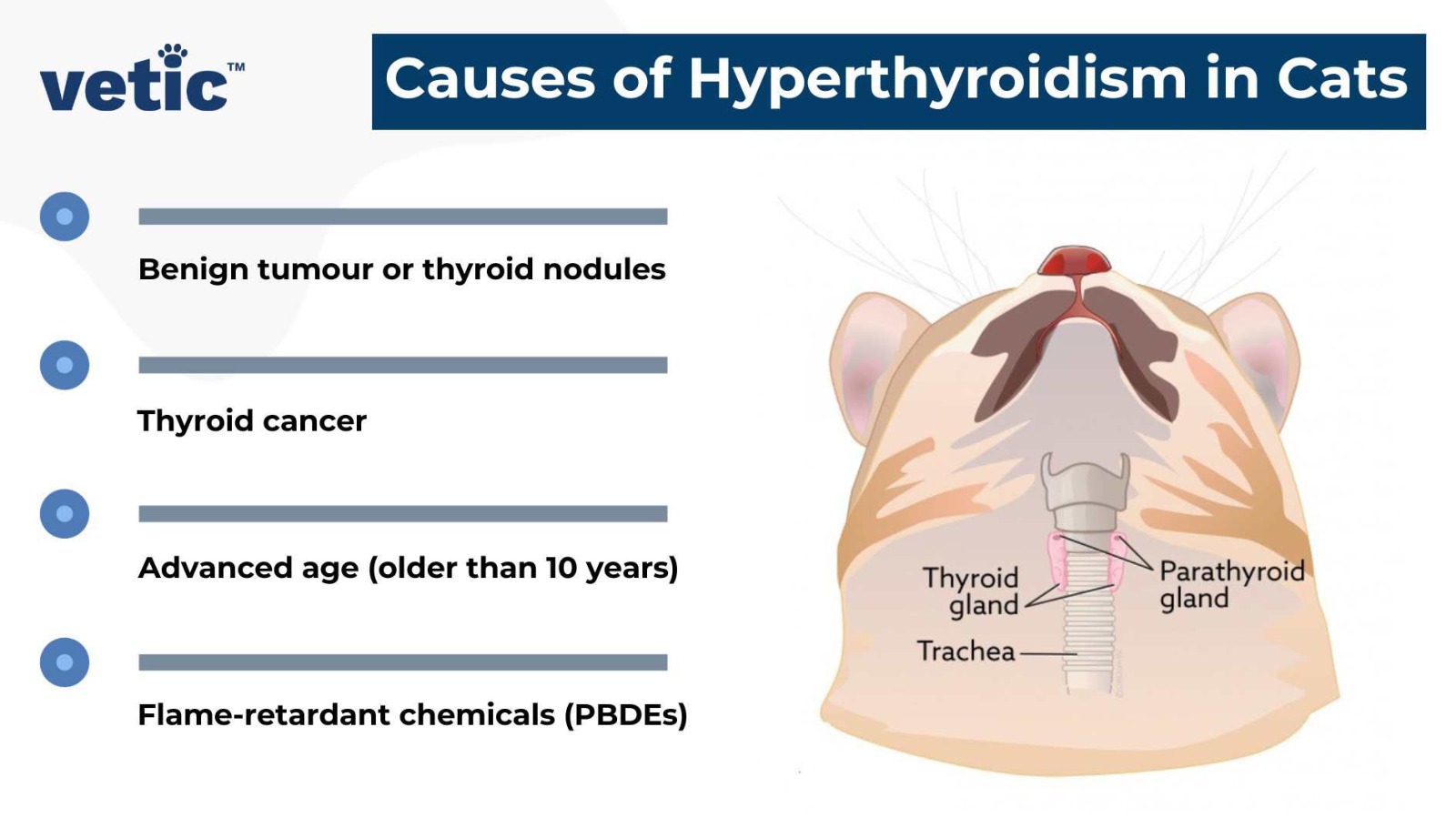
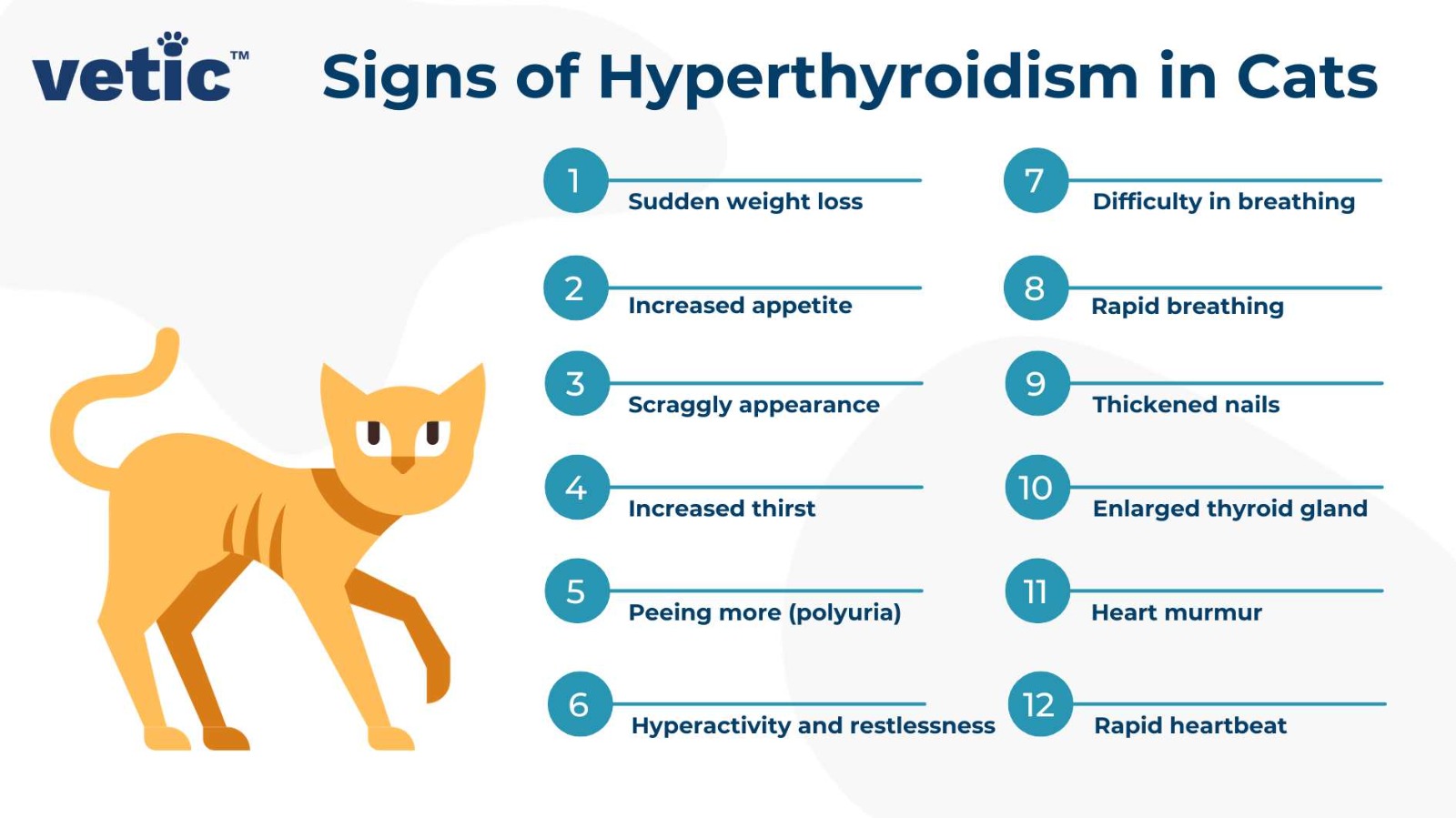
Clinical hyperthyroidism in cats and dogs results from excessive thyroid hormones, thyroxine (T4) and triiodothyronine (T3). Functional thyroid adenoma or adenomatous hyperplasia is the most common cause of feline hyperthyroidism; in approximately 70% of cases, both thyroid lobes are affected. Thyroid carcinoma, the primary cause of hyperthyroidism in dogs, is rare in cats , accounting for < 3% ...
Hyperthyroid Leukemia In Cats
This particular example perfectly highlights why Hyperthyroid Leukemia In Cats is so captivating.
Feline Hyperthyroidism
Hyperthyroid Leukemia In Cats
Moving forward, it's essential to keep these visual contexts in mind when discussing Hyperthyroid Leukemia In Cats.
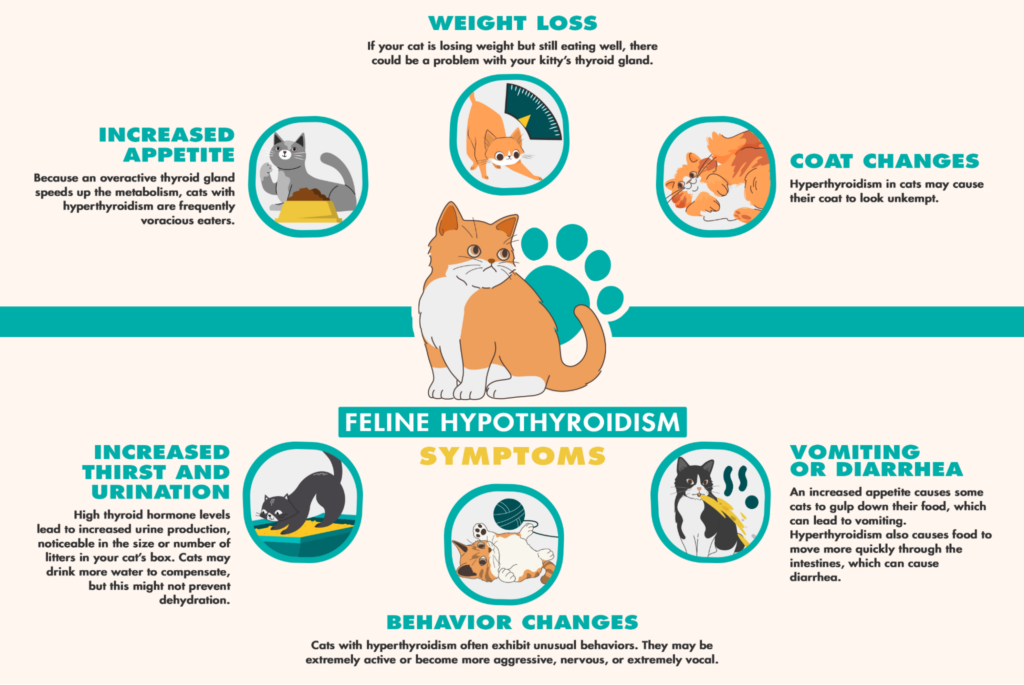
Hyperthyroidism has become the most common endocrinopathy of middle aged and older cats , worldwide. Younger cats (<5%) can be affected but there is no breed or sex predilection. The clinical signs of hyperthyroidism result from excessive circulating concentration of thyroxine (T 4), triiodothyronine (T 3) which are produced by a functional thyroid tumour or hyperplastic adenomatous thyroid ...
Hyperthyroidism is recognized as the most common endocrinopathy of older cats . Despite worldwide occurrence, though, its pathogenesis remains unclear. Traditional therapeutic measures for managing feline hyperthyroidism include: Thyroidectomy Antithyroid medications Radioactive iodine. Recent studies have documented another therapeutic option for hyperthyroid cats—a limited-iodine diet ...